Mental Bound
OpenClaw: ο open-source AI βοηθός που ξεκίνησε ως weekend hack
Πώς ένα script του Peter Steinberger για WhatsApp relay έγινε κίνημα με 100.000 αστέρια — και τι μας λέει για το μέλλον της προσωπικής AI.
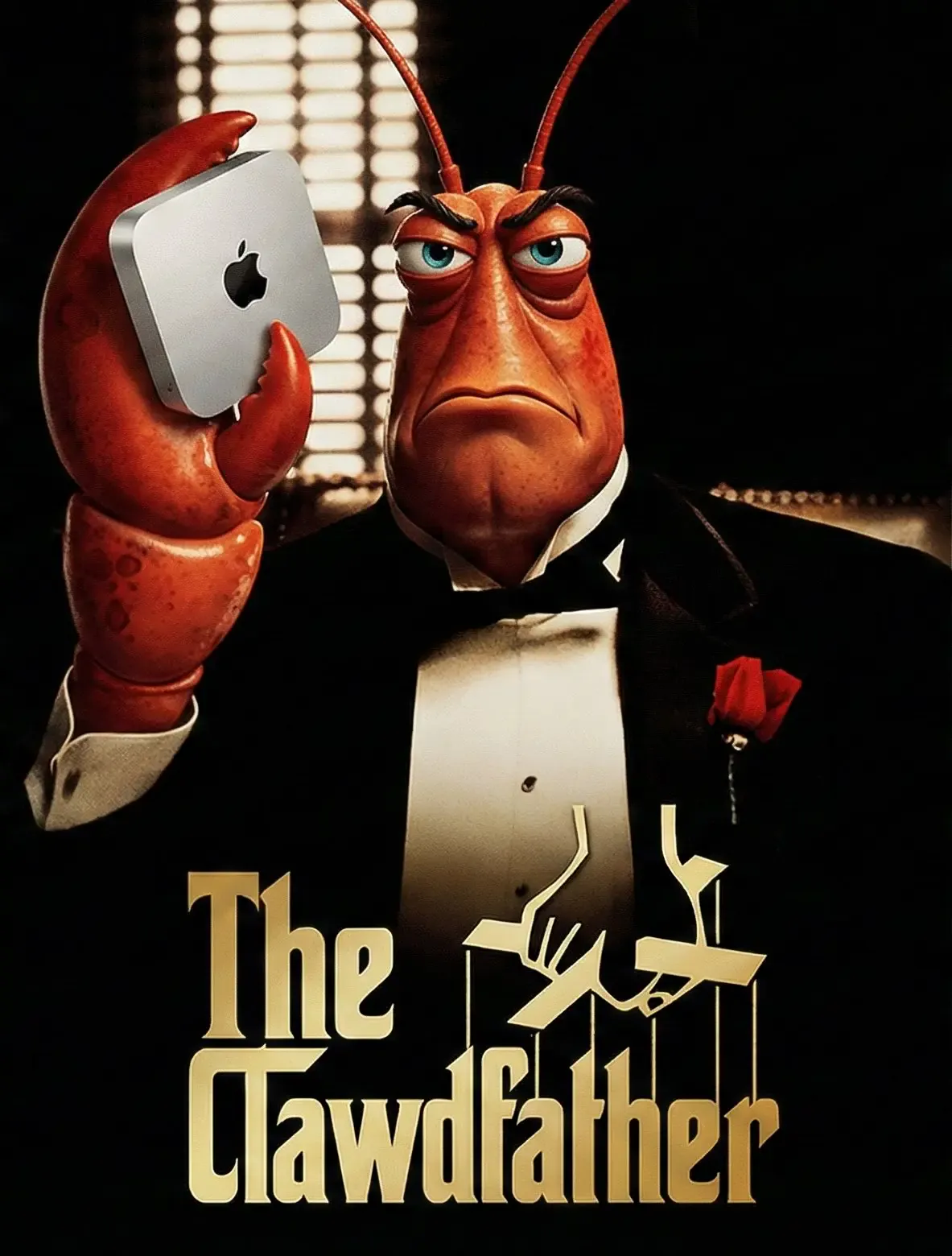
Κάπου εκεί έξω, ένας αστακός τρέχει σε ένα Mac Mini, τσεκάρει τα email κάποιου, διαχειρίζεται το ημερολόγιό του και γράφει κώδικα για λογαριασμό του. Όχι, δεν είναι παραίσθηση. Είναι το OpenClaw — και πιθανότατα είναι το πιο σημαντικό open-source project που έχει αναδυθεί από την εποχή των AI agents.
Από WhatsApp relay σε 100.000 αστέρια
Η ιστορία ξεκινά στα τέλη του 2025, όταν ο Peter Steinberger — γνωστός για δεκαετίες σημαντικών open-source συνεισφορών στο iOS και τα developer tools — έφτιαξε ένα project σε ένα Σαββατοκύριακο. Η ιδέα ήταν απλή: να μεταφέρει μηνύματα μεταξύ WhatsApp και ενός AI μοντέλου, ώστε να μιλάει στον Claude από το κινητό του.
Το script δούλεψε. Και συνέχισε να δουλεύει. Και μετά το ήθελαν κι άλλοι.
Αυτό που ξεκίνησε ως προσωπική ευκολία μετατράπηκε σε κάτι πολύ μεγαλύτερο. Μέσα σε λίγες εβδομάδες, το project είχε ένα Discord server γεμάτο contributors, ένα αυξανόμενο οικοσύστημα plugins και μια τροχιά που κανείς — συμπεριλαμβανομένου του Steinberger — δεν είχε προβλέψει.
Μέχρι τα τέλη Ιανουαρίου 2026, το project είχε ξεπεράσει τα 100.000 αστέρια στο GitHub και είχε φέρει πάνω από 2 εκατομμύρια επισκέπτες σε μία μόνο εβδομάδα. Για να βάλουμε τα πράγματα σε προοπτική: τα περισσότερα επιτυχημένα open-source projects χρειάζονται χρόνια για τέτοια υιοθέτηση. Αυτό το πέτυχε σε περίπου δύο μήνες.
Η περιπέτεια του ονόματος
Η ιστορία ονοματοδοσίας του project αξίζει να ειπωθεί γιατί αντικατοπτρίζει την εξέλιξή του.
Αρχικά ονομαζόταν Clawd — ένα παιχνιδιάρικο λογοπαίγνιο μεταξύ "Claude" και "claw." Φαινόταν σωστό, μέχρι που η νομική ομάδα της Anthropic ζήτησε ευγενικά αλλαγή. Δίκαιο.
Ακολούθησε το Moltbot, που επιλέχθηκε σε ένα χαοτικό brainstorm στις 5 το πρωί στο Discord μαζί με την κοινότητα. Το molting — η διαδικασία κατά την οποία οι αστακοί αλλάζουν κέλυφος για να μεγαλώσουν — ήταν μια νοηματική μεταφορά. Αλλά το όνομα δεν κόλλησε ποτέ.
Στις 29 Ιανουαρίου 2026, το project βρήκε την τελική του ταυτότητα: OpenClaw. Το όνομα συλλαμβάνει και τους δύο πυλώνες αυτού που έχει γίνει το project. Open — ανοιχτού κώδικα, ανοιχτό σε όλους, κοινοτικό. Claw — η κληρονομιά του αστακού, μια αναφορά στο πού ξεκίνησαν όλα.
Αυτή τη φορά έκαναν τη δουλειά τους: έλεγχοι εμπορικών σημάτων, αγορά domains, κώδικας migration. Ο αστακός ήρθε για να μείνει.
Τι κάνει πραγματικά το OpenClaw
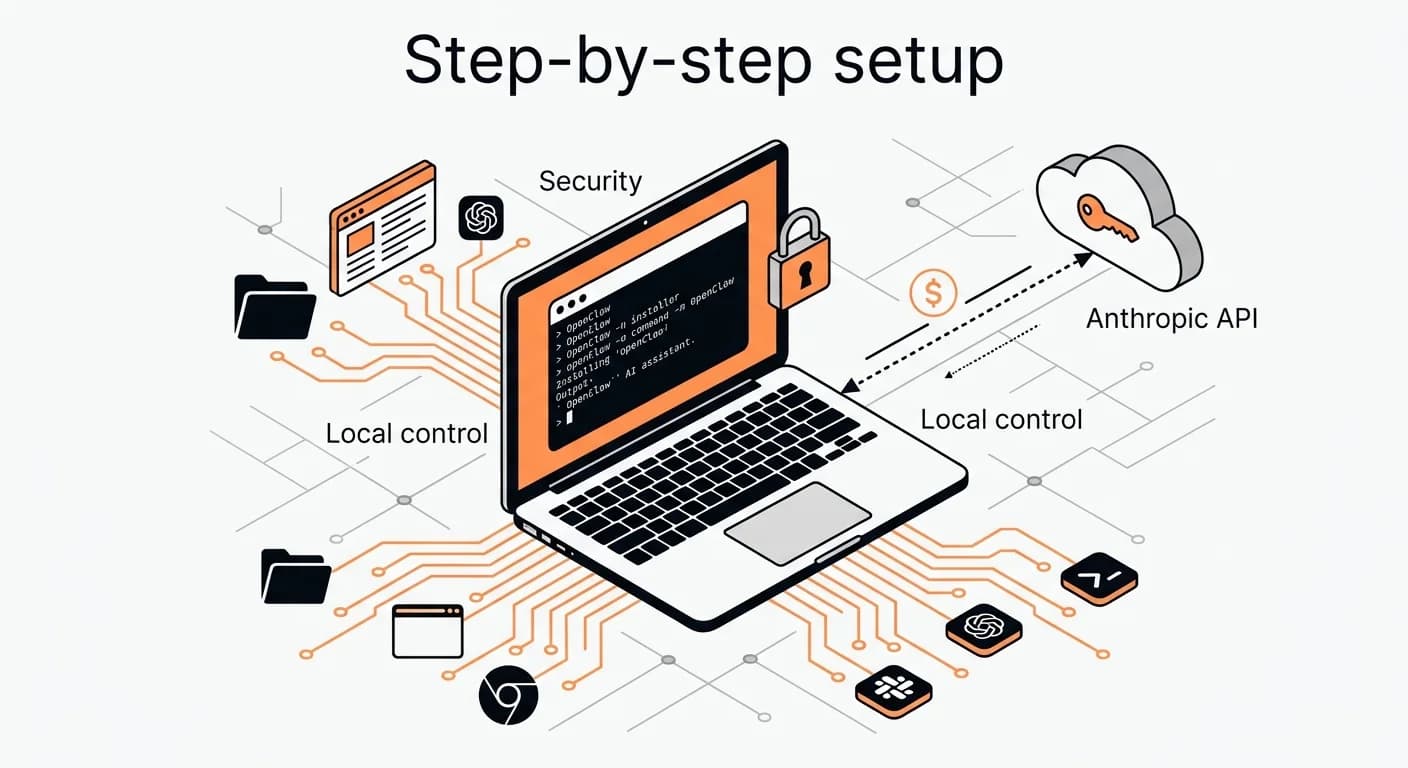
Στον πυρήνα του, το OpenClaw είναι μια ανοιχτή πλατφόρμα agents που τρέχει στο μηχάνημά σου και συνδέεται με τις εφαρμογές chat που ήδη χρησιμοποιείς — WhatsApp, Telegram, Discord, Slack, Signal, ακόμα και iMessage.
Αλλά αν το αποκαλέσεις "chatbot" το αδικείς δραματικά. Το OpenClaw μπορεί:
- Να πλοηγείται στο web — συμπληρώνει φόρμες, εξάγει δεδομένα, πλοηγείται σε ιστοσελίδες αυτόνομα
- Να έχει πρόσβαση στο file system σου — διαβάζει, γράφει και εκτελεί scripts (με την άδειά σου, σε sandbox ή πλήρη πρόσβαση)
- Να σε θυμάται — μόνιμη μνήμη που κάνει τον βοηθό μοναδικά δικό σου με τον καιρό
- Να τρέχει σε οποιοδήποτε μοντέλο — Anthropic, OpenAI ή τοπικά μοντέλα· τα δικά σου κλειδιά, η δική σου επιλογή
- Να επεκτείνει τον εαυτό του — σύστημα plugins και skills όπου η κοινότητα χτίζει δυνατότητες, και ο ίδιος ο βοηθός μπορεί να γράψει τα δικά του
Η φιλοσοφία είναι μία πρόταση: ο δικός σου βοηθός, το δικό σου μηχάνημα, οι δικοί σου κανόνες. Σε αντίθεση με τα SaaS AI προϊόντα όπου τα δεδομένα σου ζουν στην υποδομή κάποιου άλλου, το OpenClaw τρέχει εκεί που εσύ επιλέγεις — laptop, homelab, VPS, Raspberry Pi. Οι συνομιλίες σου, η μνήμη σου, τα δεδομένα σου παραμένουν δικά σου.
Γιατί ο δημιουργός μετράει
Ο Peter Steinberger δεν είναι νέος στον ανοιχτό κώδικα. Έχτισε το PSPDFKit, συνεισέφερε στο οικοσύστημα iOS και macOS για πάνω από μία δεκαετία, και έχει ιστορικό παράδοσης λογισμικού στο οποίο οι developers εμπιστεύονται. Αυτή η αξιοπιστία μετράει εδώ.
Το να φτιάξεις έναν προσωπικό AI βοηθό που έχει πρόσβαση στα email, το ημερολόγιο, τα αρχεία και τον browser σου απαιτεί εμπιστοσύνη. Εμπιστοσύνη ότι ο κώδικας κάνει αυτό που λέει. Εμπιστοσύνη ότι δεν υπάρχουν κρυφά data pipelines. Εμπιστοσύνη ότι ο άνθρωπος πίσω από το project νοιάζεται να το κάνει σωστά.
Ο Steinberger έφερε μαζί του αυτή την εμπιστοσύνη. Αλλά το πιο σημαντικό, έκανε κάτι ασυνήθιστο για έναν solo creator με momentum: δούλεψε ενεργά για να μοιράσει την ιδιοκτησία. Μέσα σε λίγες μέρες από την εκρηκτική ανάπτυξη του project, ξεκίνησε να εντάσσει maintainers, να θεσπίζει διαδικασίες για τον πλημμυρισμό pull requests και issues, και να βρίσκει τρόπο να πληρώνει τους contributors — πλήρους απασχόλησης αν ήταν δυνατόν.
Αυτό δεν είναι πια project ενός ατόμου. Είναι μια γνήσια κοινοτική προσπάθεια, και η ταχύτητα με την οποία η κοινότητα αυτοοργανώθηκε λέει κάτι τόσο για την ποιότητα του λογισμικού όσο και για την ηγεσία του.
Η κοινότητα που χτίστηκε μόνη της
Τα open-source projects συχνά παλεύουν με το χάσμα μεταξύ χρηστών και contributors. Το OpenClaw κατέρρευσε αυτό το χάσμα σχεδόν αμέσως.
Οι άνθρωποι δεν το εγκατέστησαν απλά και το χρησιμοποίησαν. Έχτισαν πάνω του. Custom skills για ενσωμάτωση Todoist, δεδομένα υγείας WHOOP, έλεγχο Spotify, αναζήτηση πτήσεων, αυτοματισμό σπιτιού. Ένας χρήστης έβαλε το OpenClaw του να φτιάξει ένα website από το κινητό ενώ κοίμιζε το μωρό του. Ένας άλλος το είχε να παρακολουθεί αυτόνομα το Sentry για σφάλματα, να τα αναπαράγει και να ανοίγει pull requests.
Το Discord server έγινε ένα ζωντανό εργαστήριο όπου οι άνθρωποι μοιράζονταν skills, αποσφαλμάτωναν εγκαταστάσεις και σπρώχνιαν τα όρια του τι μπορεί να κάνει ένας προσωπικός AI βοηθός. Το ήθος ήταν hackable by design — το context και τα skills σου ζουν στο μηχάνημά σου, όχι σε κλειστό οικοσύστημα.
Όπως είπε ένα μέλος της κοινότητας: «Θα είναι αυτό που πραγματικά θα καταστρέψει πολλά startups, όχι το ChatGPT όπως λένε οι περισσότεροι. Το γεγονός ότι είναι hackable — και πιο σημαντικά, self-hackable — και μπορεί να τρέχει on-prem, εγγυάται ότι τέτοια τεχνολογία θα κυριαρχήσει πάνω στο συμβατικό SaaS.»
Γιατί ο ανοιχτός κώδικας είναι ο μόνος τρόπος να λειτουργήσει αυτό
Υπάρχει μια βαθύτερη αρχή εδώ. Οι προσωπικοί AI βοηθοί, εξ ορισμού, χειρίζονται τις πιο ευαίσθητες πληροφορίες σου — emails, δεδομένα υγείας, οικονομικά έγγραφα, ιδιωτικές συνομιλίες. Η μόνη αρχιτεκτονική που σέβεται αυτή την πραγματικότητα είναι εκείνη όπου μπορείς να διαβάσεις κάθε γραμμή κώδικα, να τον τρέξεις σε hardware που ελέγχεις, και να επαληθεύσεις ότι τίποτα δεν φεύγει από το μηχάνημά σου χωρίς τη ρητή συγκατάθεσή σου.
Οι closed-source προσωπικοί βοηθοί σου ζητούν να εμπιστευτείς μια εταιρεία. Οι open-source σου ζητούν να εμπιστευτείς τον κώδικα. Σε έναν κόσμο όπου η AI γίνεται η διεπαφή για τα πάντα — τη δουλειά σου, το σπίτι σου, την υγεία σου — αυτή η διάκριση μετράει περισσότερο από ποτέ.
Το OpenClaw δεν είναι το πρώτο open-source AI project, ούτε θα είναι το τελευταίο. Αλλά μπορεί να είναι το πρώτο που αποδεικνύει ότι ένας ανοιχτός, κοινοτικός προσωπικός AI agent μπορεί να ανταγωνιστεί — και σε πολλά σημεία να ξεπεράσει — οτιδήποτε έχει κυκλοφορήσει ένα καλοχρηματοδοτημένο εταιρικό εργαστήριο.
Τι μας λέει αυτό για αυτά που έρχονται
Δουλεύουμε με AI κάθε μέρα, και το OpenClaw αντιπροσωπεύει μια μετατόπιση που παρακολουθούμε στενά: τη μετάβαση από AI ως υπηρεσία σε AI ως υποδομή που σου ανήκει.
Η τροχιά είναι σαφής. Τα μοντέλα γίνονται commodities. Η αξία μετατοπίζεται στο επίπεδο ενορχήστρωσης — στο πώς συνδέεις την AI με τη ζωή σου, τα εργαλεία σου, τις ροές εργασίας σου. Το OpenClaw κατάλαβε αυτό πριν προλάβει η υπόλοιπη βιομηχανία.
Τρέχει στο hardware σου. Δουλεύει από τις εφαρμογές chat σου. Σε θυμάται. Μεγαλώνει μαζί σου. Και επειδή είναι ανοιχτού κώδικα, δεν μπορεί ποτέ να σου αφαιρεθεί, να μπει πίσω από paywall ή να υποβαθμιστεί.
Ο αστακός άλλαξε κέλυφος και πήρε την τελική του μορφή. Και πιστεύουμε ότι αξίζει να τον προσέξεις.
Ξεκίνα με το OpenClaw: openclaw.ai
Star στο GitHub: github.com/openclaw/openclaw