Mental Bound
Anthropic's Principled Stand: When Ethics Override Government Contracts
Why Anthropic's refusal to compromise on mass surveillance and autonomous weapons sets a precedent for corporate integrity in the AI age.
Something rare happened this week in Silicon Valley. A company chose principles over profit — and told the U.S. government no.
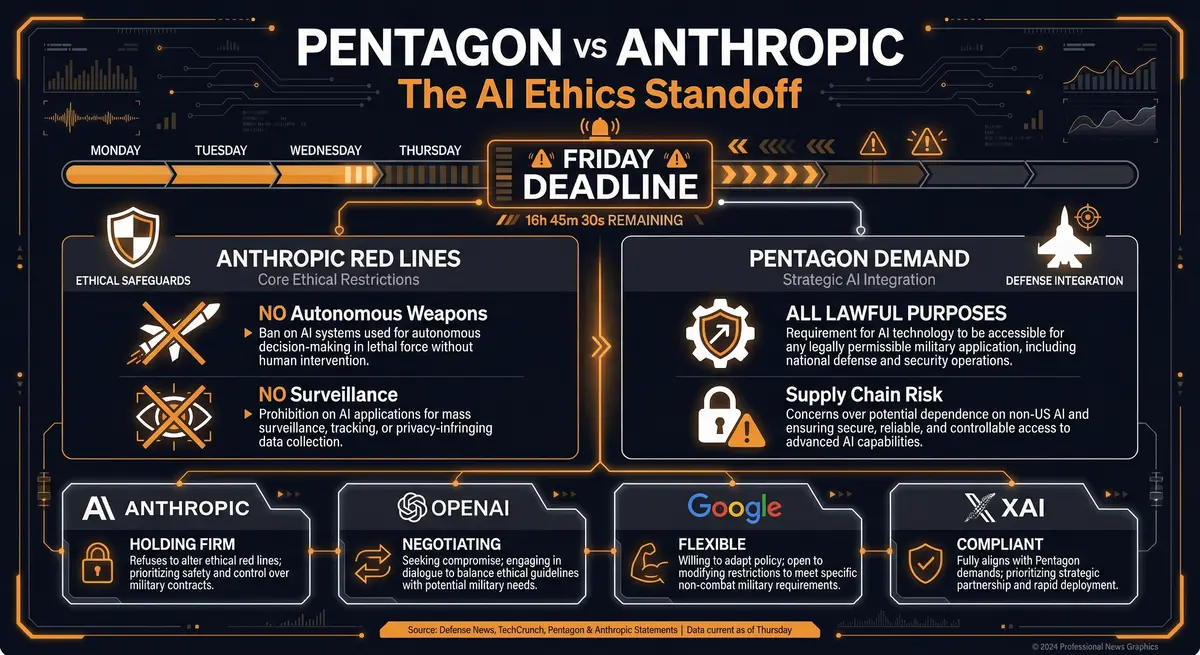
Anthropic, the maker of Claude and one of the world's most valuable AI startups, is in a public standoff with the Pentagon. The Department of War demanded unrestricted access to Claude for "any lawful use" and gave CEO Dario Amodei a Friday deadline to comply. The threats were severe: cancel defense contracts, label Anthropic a "supply chain risk" (a designation reserved for foreign adversaries), and invoke the Defense Production Act to force compliance.
Amodei's response: "We cannot in good conscience accede to their request."
Two Red Lines
Anthropic's objections aren't about opposing defense work — they're deeply engaged with national security. Claude is already deployed across classified networks for intelligence analysis, cyber operations, and operational planning. The company has cut off Chinese military-linked firms and advocated for export controls to maintain democratic advantage.
Their stand is about two specific boundaries:
Mass domestic surveillance. AI systems can now assemble scattered data — movements, browsing, associations — into comprehensive portraits of any American's life, automatically and at scale. Anthropic refuses to enable this, even when the government calls it "lawful."
Fully autonomous weapons. Not drones with human operators, but systems that select and engage targets entirely without human judgment. Anthropic argues today's AI simply isn't reliable enough for this, and won't knowingly put warfighters and civilians at risk.
The Pentagon's threats are "inherently contradictory: one labels us a security risk; the other labels Claude as essential to national security."
Why This Matters
What's striking isn't just Anthropic's stance — it's who supports them. Tech workers from rival companies (OpenAI, Google) signed an open letter backing Anthropic. Even retired Air Force Gen. Jack Shanahan, who led Project Maven (the Pentagon's earlier AI targeting program), called Anthropic's position "reasonable" and their red lines justified.
This isn't anti-military sentiment. It's a recognition that some capabilities are too dangerous to deploy without safeguards, regardless of who requests them.
The Precedent
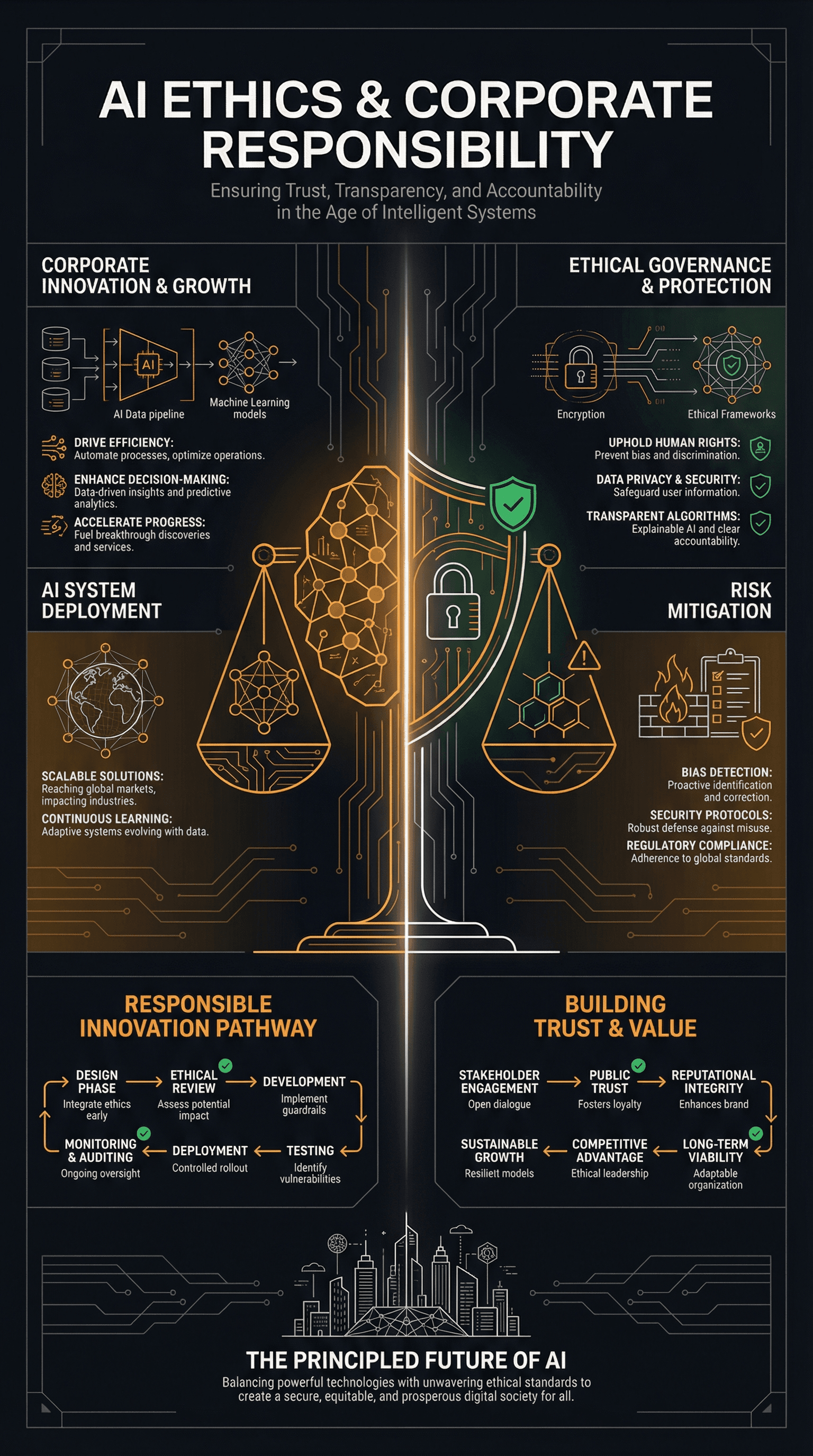
Anthropic is demonstrating something rare in corporate America: principle as a competitive advantage. They're betting that top AI talent — the engineers who actually build these systems — want to work for companies with ethical boundaries. That trust, once lost, isn't recovered by future concessions.
The Pentagon may find other providers. But Anthropic has drawn a line that others in the industry will be measured against. When your competitor is willing to lose hundreds of millions in revenue over ethical concerns, silence becomes complicity.
For businesses watching the AI landscape, this is the new reality: ethical positioning isn't marketing — it's becoming a core operational decision with real financial consequences. Anthropic just proved you can say no to the U.S. government and survive. The question is who else will find the courage to follow.